Zhejiang Chisheng Valve Technology Co., Ltd. * Zhejiang Chisheng Valve Technology Co., Ltd. * Zhejiang Chisheng Valve Technology Co., Ltd. * Zhejiang Chisheng Valve Technology Co., Ltd.
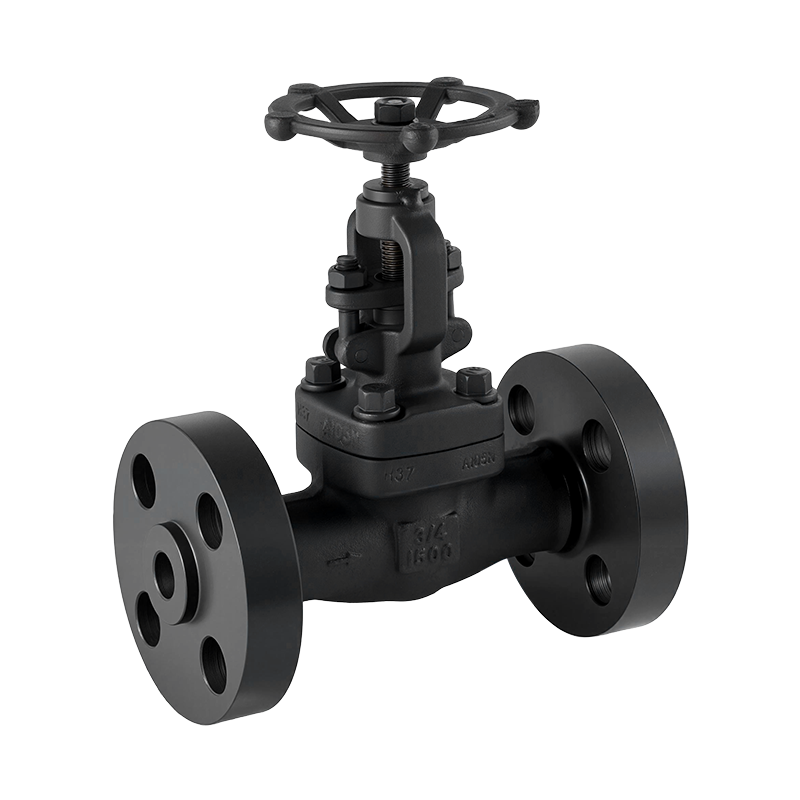
Small piping does not always mean simple flow requirements. Instrument branches, auxiliary steam lines, process skids, and compact hydraulic systems may need controlled fluid movement within a limited installation space. A 3/4 inch globe valve can provide useful flow adjustment in these applications because its disc moves linearly against the seat. This movement creates a gradually changing flow passage rather than relying on a simple quarter-turn opening.
Valve size has an impact on the flow area that is available and the amount of fluid that can move through the body. A 3/4 inch connection can be useful, for flow lines that have a demand. In these cases using a valve would offer more capacity than the process actually needs.
Globe valves are widely associated with throttling because disc position directly influences the available flow area. Technical references also identify globe valves as suitable for regulating applications, although their internal flow path creates greater pressure loss than straight-through valve designs.
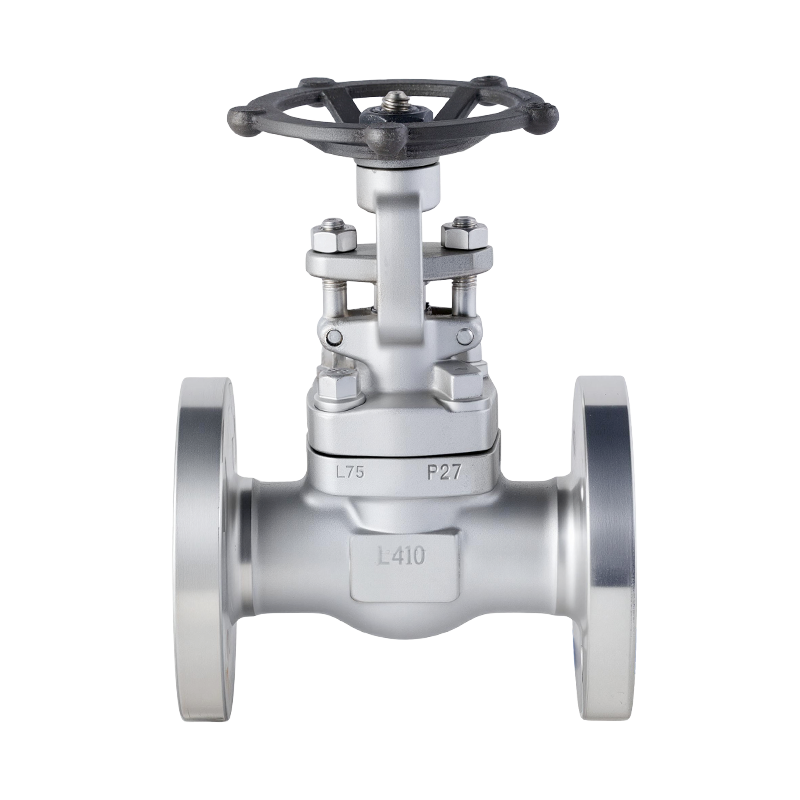
Precision does not come simply from the 3/4 inch connection size. Disc profile, seat geometry, stem travel, pressure differential, and required flow range all influence the actual control response.
Small changes in disc position can modify the annular opening between the disc and seat. This characteristic allows operators to regulate flow progressively rather than moving directly between fully open and fully closed positions.
Precision flow control comes with a trade-off. Unlike a full-bore ball valve, a conventional globe valve redirects fluid through its internal body passage. This produces additional resistance and pressure loss, even with the valve fully open.
Such pressure loss is not automatically a disadvantage. It can provide useful control authority in a regulating application. Problems arise when the available pressure margin is too small or the valve is expected to provide high flow with very little resistance.
Compact process equipment often contains numerous branch connections where full pipeline capacity is unnecessary. A 3/4 inch globe valve can be useful for regulating these smaller streams, provided the required flow rate and pressure conditions match its capacity.
Globe valves are available across a broad size range, including NPS 1/2 and NPS 3/4 configurations, which makes small-bore designs relevant to compact control applications.
Not every globe valve uses exactly the same internal geometry. Tee-pattern, angle-pattern, and Y-pattern bodies provide different flow paths and pressure-loss characteristics. A conventional tee-pattern body creates stronger flow-direction changes, while Y-pattern and angle designs can reduce some internal resistance.
Such differences become relevant in a 3/4 inch application because the available flow area is already limited. Body configuration, connection type, trim geometry, and pressure class should therefore be considered together rather than judging the valve purely by nominal size.
Nominal size alone cannot confirm whether a valve will provide stable control. Actual flow requirements should be compared with the valve's rated capacity and the expected pressure differential.
A 3/4 inch globe valve can suit precision flow control across compact, lower-flow piping applications, particularly where gradual adjustment matters more than unrestricted flow. Its linear disc movement supports throttling, while the internal flow path naturally creates pressure loss that should be included in system calculations.
Proper sizing remains essential. Matching the valve's Cv, trim, pressure class, temperature range, and body pattern with the actual process conditions provides a clearer path toward stable flow regulation than relying on the 3/4 inch dimension alone.

Somos un fabricante profesional de válvulas industriales,
especializado en válvulas de compuerta, válvulas de globo, válvulas de retención, válvulas de bola y soluciones de válvulas diseñadas a medida.
+86-13057728556
+86-13857082222
csvalvetech@gmail.com
1.er piso, edificio J, parque industrial secundario Zhuao Canaan, condado de Yongjia, ciudad de Wenzhou, Zhejiang, China
Trabajemos juntos

 English
 中文简体
中文简体
 русский
 Español